

Other
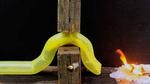
“Imagine rescuers searching for people in the rubble of a collapsed building. Instead of digging through the debris by hand or having dogs sniff for signs of life, they bring out a small, air-tight cylinder. They place the device at …
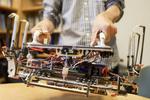
“Right now, about 500,000 pieces of human-made debris are whizzing around space, orbiting our planet at speeds up to 17,500 miles per hour. This debris poses a threat to satellites, space vehicles and astronauts aboard those vehicles. What …
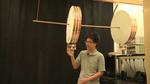
“If electric cars could recharge while driving down a highway, it would virtually eliminate concerns about their range and lower their cost, perhaps making electricity the standard fuel for vehicles. Now Stanford University scientists have overcome a major hurdle to …
News Stanford researchers develop crowdsourcing software to convene rapid, on-demand ‘flash organizations’

“Crowdsourcing has become a popular way of making use of large groups of people to accomplish straightforward tasks – online reviews on Yelp, Wikipedia entries and Stanford University’s own Folding@Home, to name a few. A significant downside is that …
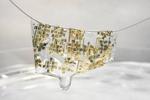
“As electronics become increasingly pervasive in our lives – from smart phones to wearable sensors – so too does the ever rising amount of electronic waste they create. A United Nations Environment Program report found that almost 50 million tons of electronic …

“Many astounding feats of computer intelligence, from automated language translation to self-driving cars, are based on neural networks: machine learning systems that figure out how to solve problems with minimal human guidance. But that makes the inner workings of neural …
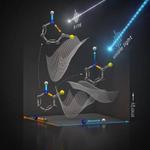
“When the molecules that carry the genetic code in our cells are exposed to harm, they have defenses against potential breakage and mutations. For instance, when DNA is hit with ultraviolet light, it can lose excess energy from radiation by …
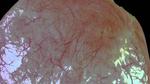
“The way doctors examine the bladder for tumors or stones is like exploring the contours of a cave with a flashlight. Using cameras attached to long, flexible instruments called endoscopes, they find that it’s sometimes difficult to orient the …
News As Moore’s law nears its physical limits, a new generation of brain-like computers comes of age in a Stanford lab

“For five decades, Moore’s law held up pretty well: Roughly every two years, the number of transistors one could fit on a chip doubled, all while costs steadily declined. Today, however, transistors and other electronic components are so small …
News So long stiffness: Stanford engineers use soup additive to create a stretchable plastic electrode
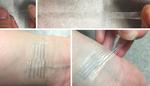
“The brain is soft and electronics are stiff, which can make combining the two challenging, such as when neuroscientists implant electrodes to measure brain activity and perhaps deliver tiny jolts of electricity for pain relief or other purposes. Chemical engineer …